
Author: RWSN Secretariat
-
Research follow-up: assessing groundwater beneath Africa
Re-blogged from environmental research web, 6 October 2015 Alan MacDonald and colleagues published their map of African groundwater resources in Environmental Research Letters three years ago; since then there’s been much progress, including the commencement of the UPGro (Unlocking the Potential of Groundwater for the Poor) programme
-
Fancy a swig? Water quality in shallow wells in Kisumu, western Kenya
by Heather Price, reposted from: http://sti-cs.org/2015/07/16/fancy-a-swig-water-quality-in-shallow-wells-in-kisumu-western-kenya/ We all know that access to sufficient clean water is vital for sustaining life. For us humans, the ideal scenario is that everyone can go to a tap in their house, turn it on, and an endless supply of clean water pours out. But currently more than 700 million…
-
T-GRoUP kicks off
By Thloriso Morienyane and Jan Willem Foppen (reposted from: t-group.science) From 1-3 September, the T-GroUP kick off workshop took place at UNESCO-IHE in Delft. The main purpose of the workshop was to get to know each other, to learn more about Transition Management and Learning Alliances, to discuss data collection programs, to identify overlaps and…
-

Hidden Crisis: Borehole failure highlighted in Uganda Sector Performance Report
The UPGro Hidden Crisis project, led by Prof. Alan MacDonald at BGS, has already made an impact in its first study country – Uganda. Each year, the Ministry of Water and Environment coordinates a Joint Sector Review (JSR) and produces a Sector Performance Report (SPR) which reports on progress in the water and environment sectors…
-

UPGro win at Stockholm World Water Week
Patrick Thomson, from the Oxford-led UPGro project “Gro For Good”, has won the prize for the best poster at World Water Week 2015 for the work that he and colleagues at the Institute of Biomedical Engineering at Oxford have been doing on shallow groundwater monitoring using Smart Handpumps in Kenya. This work will continue under…
-
UPGro at Stockholm World Water Week
UPGro and RWSN will have stand and networking area at this year’s Stockholm World Water Week (23-29 August). If you are there, please come along and join in the conversation as we ask the question – what do the Sustainable Development Goals mean for groundwater use and management in Africa? You can meet a number…
-
Zambia: Study Finds Shallow Groundwater Unsafe.
Originally posted on WaterSan Perspective: Water Journalists Africa (WJA) August 18, 2015 Kabwe is a transport hub and old mining town in central Zambia. One resident, Joseph, recounted how when he was growing up in the town in the 1970s, most houses had a tap and a reliable water supply from the municipal system. Few…
-
T-GroUP: A Visit to Dodowa!
The T-GroUP team have been getting to grips with groundwater in Ghana: Dr. Jan-Willem Foppen visited Dodowa from 22 to 29 of July. In his visit, Jan Willem met with Dr. George Lutterodt from Central University College (CUC) in Accra, who heads the Local Transition Team (LTT). Together with Dr. Sampson Oduro-Kwarteng from Kwame Nkrumah…
-
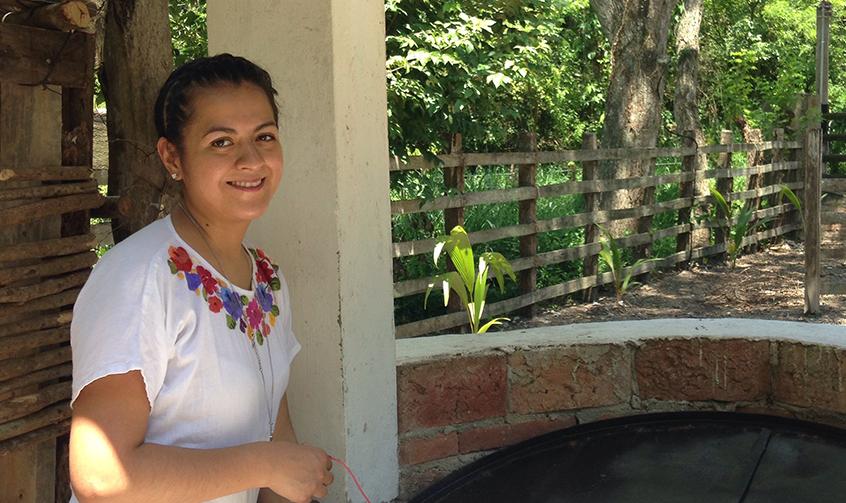
UPGro Catalyst Researcher recognised as a leading ‘Innovator under 35’ by MIT Technology Review
Dr Sharon Velasquez Orta (Newcastle University) has been recognised by the MIT Technology Review as one the leading “Innovators under 35” for 2015 for her work on developing a low-cost biosensor of measuring groundwater quality. In the UPGro Catalyst project (INGROUND), she and colleagues from Newcastle University and Ardhi University have been developing the sensor…
-
Merti aquifer: Kenya’s largest water source faced with resistance
By Peter Mutai NAIROBI (Xinhua) —Wajir town in Northern Kenya has never had a regular water supply system forcing majority of the residents to use water drawn directly from shallow wells that exposes them to many potentially harmful elements.
 UPGro
UPGro 