Tag: MetaMeta Research
-

Green Roads for Water- New World Bank Guide
Roads and water are generally seen as enemies, with water responsible for most of the damage to roads, and roads being a major cause of problems such as erosion, waterlogging, flooding, and dust storms. This tension, however, can be reversed. The concept of Green Roads for Water (also known as “Green Roads” or “roads for…
-
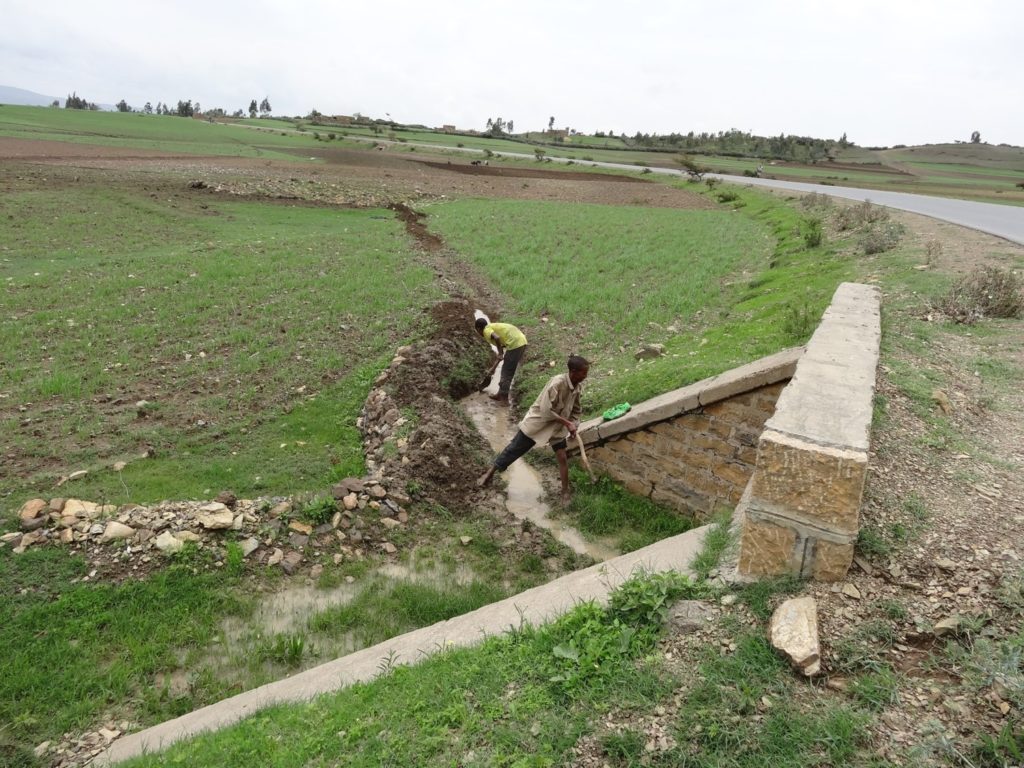
Can road design boost water security in rural regions?
re-posted from GRIPP Roads for Water is integrating road construction and small water infrastructure to harvest rainwater from small catchments for productive use, while reducing road damage and simplifying road maintenance. Improving road drainage design is reducing soil erosion and increasing groundwater recharge. Furthermore, using roads for resource capture can prevent dangerous and inconvenient flooding, and…
-
Vote for Roads for Water!
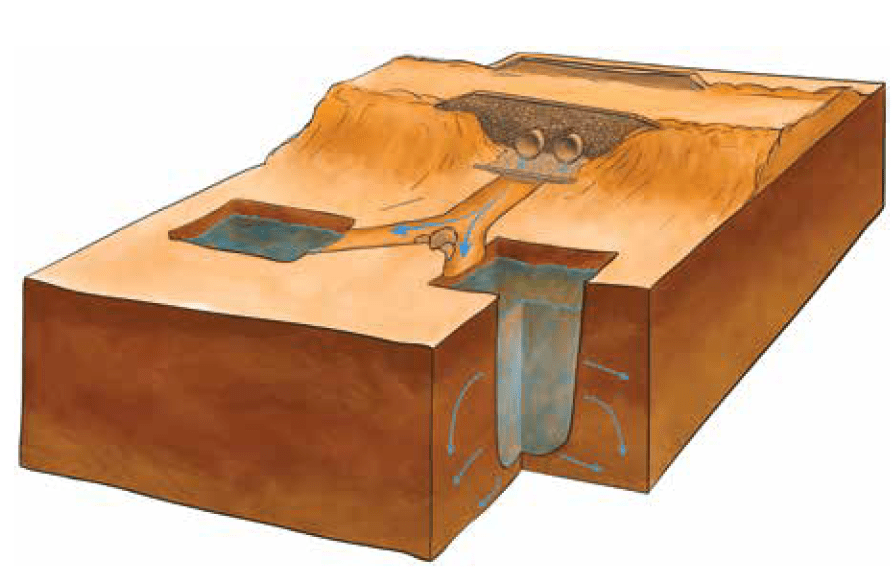
Following an UPGro Catalyst Grant, over the last three years much work has gone into making use of roads for water management. Roads have in many areas an enormous impact on hydrology. Now often negative with roads causing erosion and sedimentation, or creating floods and water logging, this can be turned around to making roads…
-
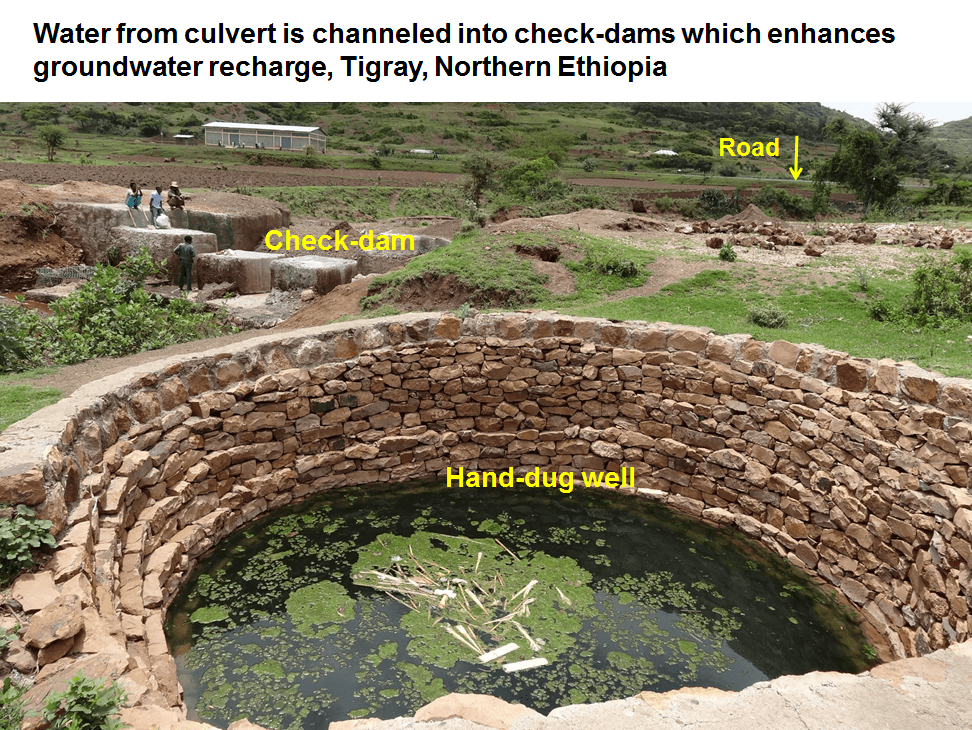
Collecting Water With Roads – ground-breaking research wins Global Environment Award
Water is short in many places but roads are everywhere – and when it rains it is often along these roads that most water runs, as roads unknowingly either serve as dike or a drain. By harvesting the water with these roads, water shortage can be overcome and impacts of climate change can be mitigated.…
-
Roads for Water – new research puts Ethiopian farmers in the driving seat
Media Release World Water Day is an opportunity to reflect on the immense challenge that faces millions of people every day. Much of Sub-Saharan Africa, in particular, is notably off-track from the Millennium Development Goals[i], which come to an end this year. Yet hope is emerging from unexpected directions: the UK is leading pioneering research…
-

How to… design roads for water harvesting and groundwater recharge
Roads can devastate a landscape – scarring it, creating barriers for wildlife and accelerating stormwater so that valuable farmland, habitats and homes get washed away or polluted. What if didn’t have to be that way? What if roads would work with the grain of nature rather than against it? One of the UPGro teams, lead…
-
Roads for Water: Effecting Change in Tigray, Ethiopia
from the WaterChannel: Question: How can dusty roads provide water? Answer: By harvesting and storing rainwater when it falls on them. A 30 mm rainfall over a 1-kilometre stretch of road can produce up to 100,000 litres of water. This number points to a huge potential. And not one that has not been adequately tapped (around…
-
One Bridge, Multiple Functions
re-blogged from: thewaterblog Posted by Rossella Alba May 22, 2014 In Megab, a rather small village in the semi-arid Tigray region in northern Ethiopia, one bridge provides multiple functions to the local community. The bridge is located along the road that connects Hawzien to Abreha-we-Atzeha and Wukro. At first sight, it appears to be just…
-
“FLUORIDE IN GROUNDWATER: A DEBILITATING SCOURGE” Catalyst Project Webinar, 2 May
UPDATED 9 MAY Watch recording Part 1: Dr Seifu Kebede- Genesis of Fluoride in Groundwater in Ethiopia Part 2: Sara Datturi- Fluorosis Mitigation in Ethiopian Central Rift Valley Part 3: Q and A session Fluorine is an element abundant in nature. In the right quantities, it is essential for the development of teeth and bones.…
-
UPGro research paper on Sketetal Fluorosis in Ethiopia
New paper by Redda Tekle-Haimanot, Gebeyehu Haile, part of the “Improving access to safe drinking water_prospection for low-fluoride sources Groundwater” Catalyst Project ABSTRACT This study compared the occurrence of skeletal fluorosis in chronic consumers of locally brewed alcoholic beverages and their matched controls in the Ethiopian Rift Valley. The study revealed that chronic alcohol consumers…