
Category: New publication
-

New UPGro studies explore links between groundwater and poverty in rural and urban Africa
Thanks to additional support from NERC at the beginning of 2017, some of the world’s leading experts on groundwater and poverty were brought together to test the assumptions that we make about how much we know and understand about the links between groundwater access and poverty. Does improving groundwater access reduce poverty? Or are their…
-
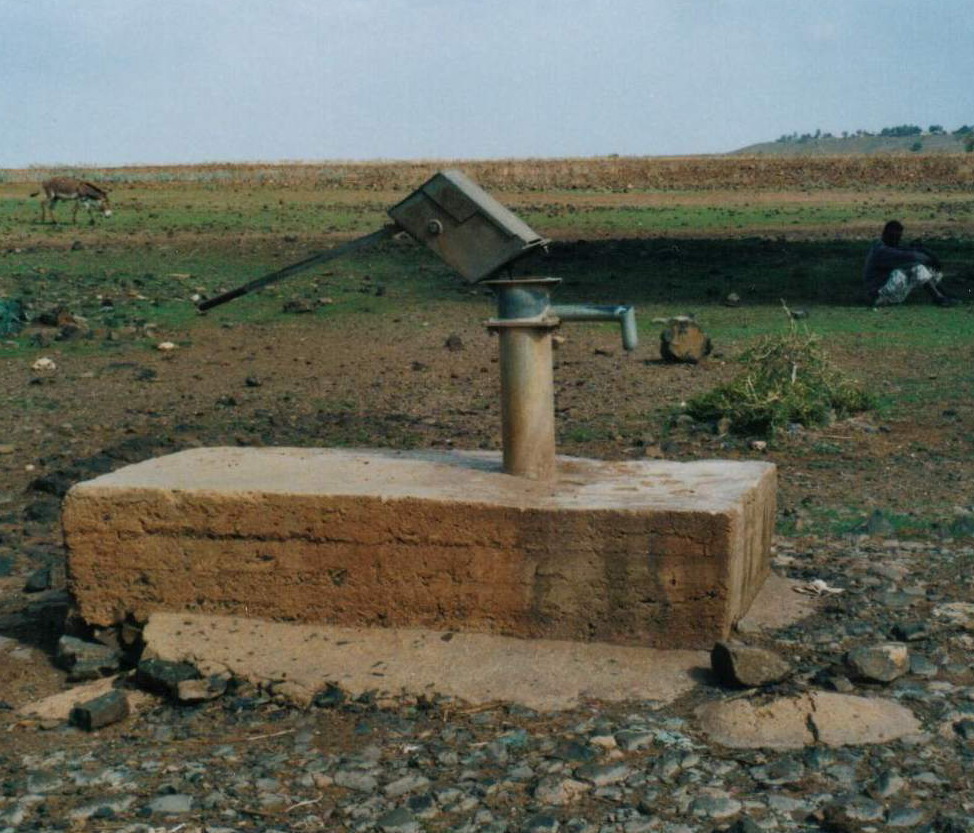
New – Water point failure in sub-Saharan Africa: the value of a systems thinking approach
The latest output from the UPGro programme comes from Cambridge University as part of the “Hidden Crisis; Unravelling past failures for future success in Rural Water Supply” and examines the role of system-based analysis in understanding the root causes of the success or failure of rural water points. The full open paper is available to…
-
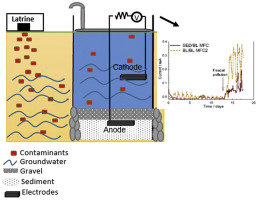
Promising new groundwater pollution sensor – New UPGro paper published
Shallow groundwater wells, are the main source of drinking water in many rural and peri-urban communities. The quantity and variety of shallow wells located in such communities make them more readily accessible than private or government operated deep boreholes, but shallow wells are more susceptible to faecal contamination, which is often due to leaching pit…
-

Fossil groundwater vulnerable to modern contamination
Study shows that over half of global groundwater is over 12,000 years old Most of the groundwater in the world that is accessible by deep wells is fossil groundwater, stored beneath the earth’s surface for more than 12,000 years, and that ancient water is not immune to modern contamination, as has been widely assumed. This…
-

With no access to piped water, residents of Accra meet their own water needs. Here’s how.
re-blogged from SIWI: http://www.siwi.org/news/siwi-explores-complexities-of-groundwater-governance-in-peri-urban-accra-ghana/ Low accountability and complex governance landscape complicate understanding of reliance on groundwater in peri-urban Accra, Ghana, finds article by SIWI’s Dr. Jenny Grönwall. Poor urban dwellers tend to be disadvantaged in terms of public service delivery, often relying instead on groundwater through self-supply, but their specific needs and opportunities—and own level…
 UPGro
UPGro 