
Category: Catalyst Project News
-
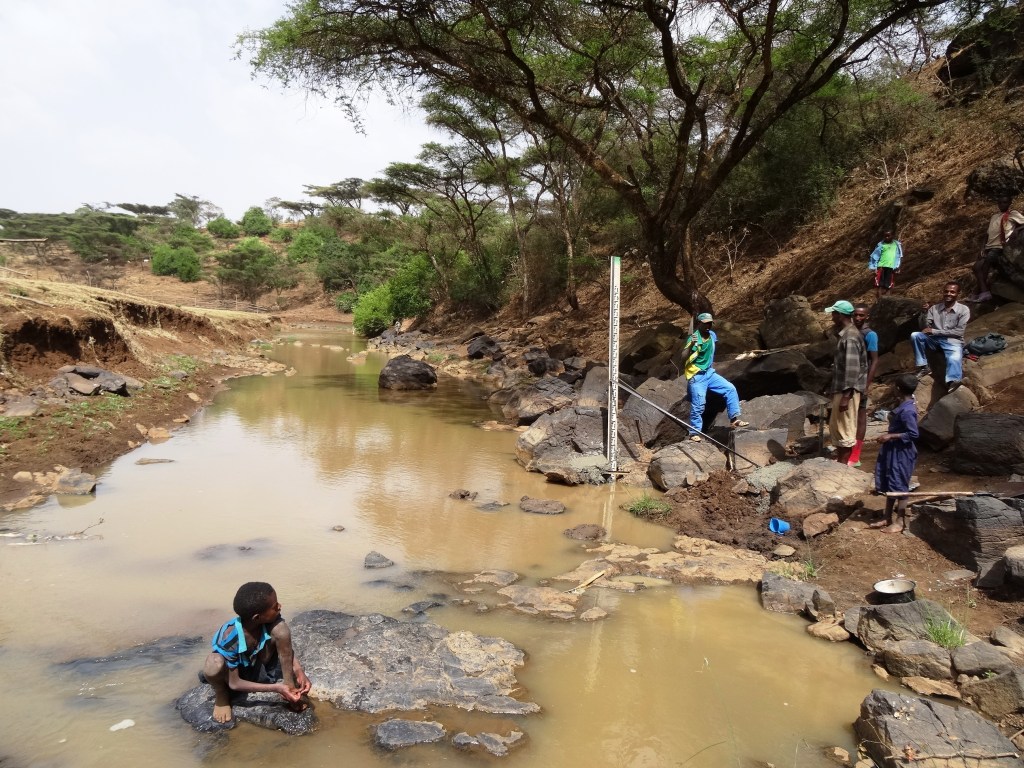
Cultiver les données : comment les agriculteurs éthiopiens récoltent les données pour favoriser leurs semis #60IAH2016
Quel temps va-t-il faire ? Beaucoup de gens se posent la question, mais pour beaucoup d’Éthiopiens la réponse peut faire la différence entre affluence et pauvreté. L’Èthiopie est un pays riche et divers de près de 100 millions d’habitants, 88 langues différentes et une histoire ancienne et remarquable. Ses hauts plateaux sont humides et fertiles lors…
-
UPGro at the 43rd IAH Congress, Montpellier
Many UPGro researchers will be assembling in Montpellier, France for the 43rd Congress of the International Association of Hydrogeologists (IAH). If you are going, looking out for the following presentations (the abstract links won’t work until after 25 September). You can find the full online programme on the event website: www.60iah2016.org/en/programme/final-programme
-
Data farming – how Ethiopian farmers harvest data to help their crops
What’s the weather doing? It’s a question that obsesses many but for many Ethiopians it is question that makes the difference between plenty and destitution. Ethiopia is a rich and diverse country that is home to around 100 million people, 88 different languages and imbued with long, diverse history. Its highlands are seasonally wet and…
-
New UPGro YouTube Channel!
You can now find a wealth of interviews, presentations, field vlogs and more at the UPGro YouTube Channel.
-

UPGro Catalyst Synthesis – updated!
The Catalyst phase of UPGro involved 15 projects and last we published a quick overview of what they did and what they discovered and achieved. Since then, more papers have been published and presented, so we have revised and updated the synthesis: UPGro Catalyst Synthesis – June 2016
-

New Arsenic & Fluoride mapping tool
The Eawag “Groundwater Assessment Platform”, funded by SDC, is now live: http://www.gapmaps.org/ “Over 300 million people worldwide use groundwater contaminated with arsenic or fluoride as a source of drinking water. The Swiss Federal Institute of Aquatic Science and Technology (Eawag) has developed a method whereby the risk of contamination in a given area can be…
-
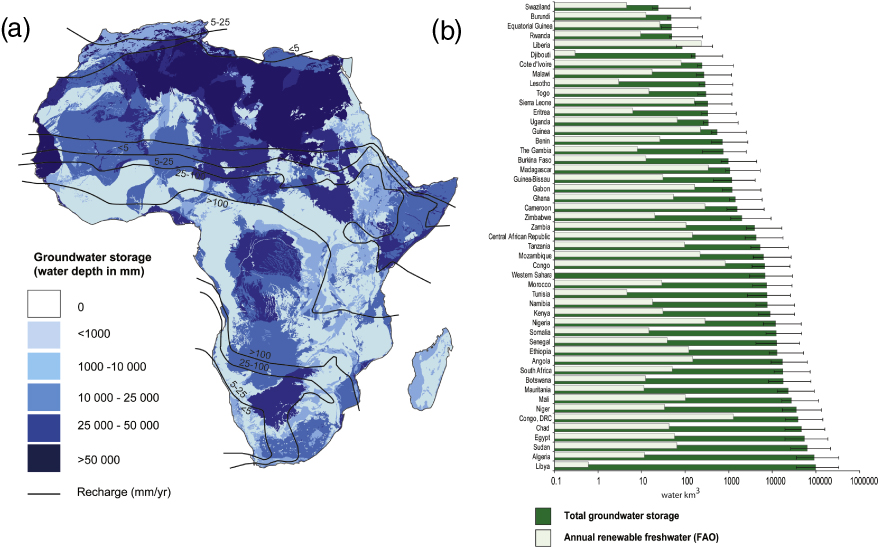
African aquifers can protect against climate change
Floods and droughts, feasts and famines: the challenge of living with an African climate has always been its variability, from the lush rainforests of the Congo to the extreme dry of the Sahara and Namib deserts. In north western Europe, drizzle and rain is generally spread quite evenly across the year, as anyone who has…
-
The magic and mystery of groundwater data
To be effective, drinking water programmes relying on groundwater need good quality and well managed groundwater data. Unfortunately this is an overlooked, “techy domain”. The presentations and discussants on this webinar explain the typical problems of groundwater data collection, management and use. They draw on first hand examples of: groundwater data use in Uganda and…
-

Stop the Rot – helps us stop the scandal of pump corrosion
This week RWSN/UPGro hosted a webinar on: Overcoming the Rural Water Supply Scandal of Handpump Corrosion (RWSN) – Recording (English) Dépasser le scandale de la corrosion des pompes manuelles dans l’approvisionnement rural en eau (RWSN) – Recording (French) The key points are: handpump corrosion has been known about for 30 years, it is avoidable yet…
-
Research: Is climate change making groundwater supplies in Sub-Saharan Africa less reliable?
source: University of Reading blog Over 500 million people in sub-Saharan Africa (SSA) depend upon groundwater supplies, and this is set to rise dramatically. Safe and reliable access to water for the rural poor is a critical factor when reducing the proportion of people living in extreme poverty. As the majority of poor people in…
 UPGro
UPGro 